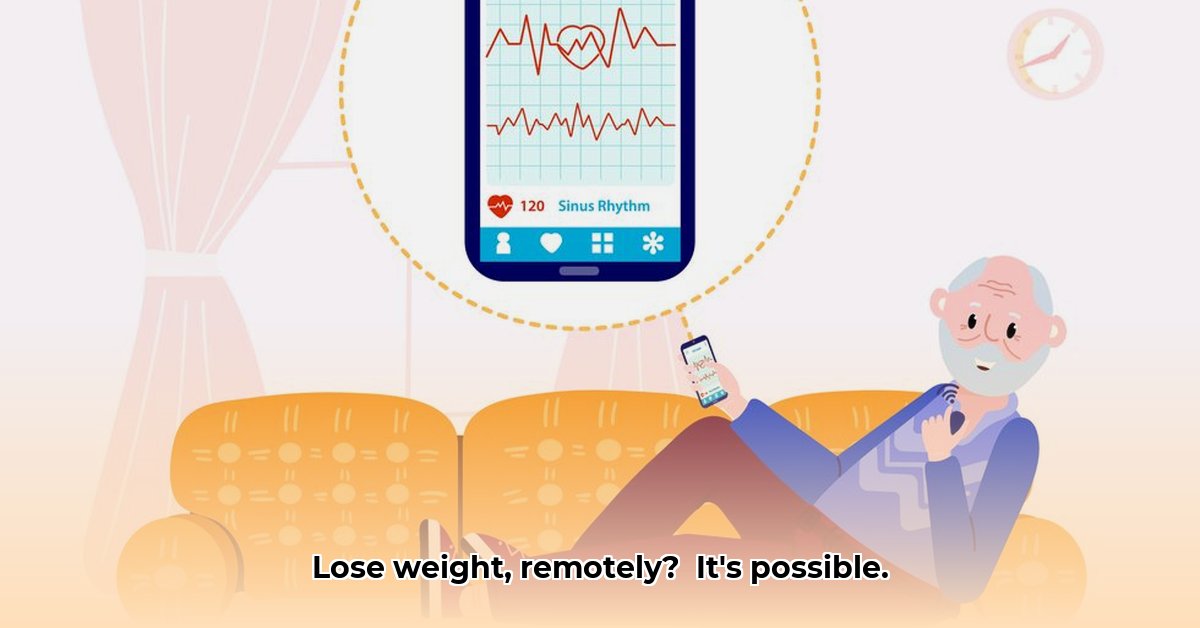
Losing weight can be a challenging journey, often fraught with setbacks and inconsistent results. But what if there was a way to receive personalized support and consistent monitoring, all from the comfort of your home? Remote Patient Monitoring (RPM) for weight loss offers a revolutionary approach, leveraging technology to enhance your weight management efforts and help you achieve lasting results. This comprehensive guide explores how RPM works, its benefits, potential challenges, and how to choose the right program for your needs.
How RPM for Weight Loss Works: Your Digital Health Partner
RPM utilizes a combination of wearable devices (like fitness trackers) and/or smartphone apps to collect vital data about your health. This data includes your weight, activity levels, sleep patterns, and even dietary intake (if enabled). This information is securely transmitted to your healthcare provider, who can then monitor your progress, provide personalized feedback, and adjust your weight loss plan as needed. This continuous monitoring and support creates a dynamic, adaptable approach to weight management.
Imagine this: You're struggling to meet your daily activity goals. Your RPM system alerts your doctor, who can then provide additional encouragement or suggest modifications to your exercise routine. Or perhaps your sleep data reveals underlying stress impacting your progress, prompting timely intervention and holistic solutions. This level of personalized support is a significant advantage over traditional weight loss methods.
The Advantages: Why RPM Might Be a Game Changer
RPM offers multiple key advantages that contribute to more effective and sustainable weight loss:
Enhanced Motivation and Accountability: Regular feedback and progress tracking provided by RPM can significantly boost motivation and adherence. The knowledge that your progress is being monitored can serve as a powerful incentive to stay on track.
Early Problem Detection: RPM allows your doctor to identify potential issues early on, such as concerning blood pressure or blood sugar fluctuations. This early detection allows for swift intervention, reducing the risk of complications that could hinder your weight loss efforts.
Personalized Weight Loss Plans: Your doctor uses the data collected by your RPM system to tailor your weight loss plan to your individual needs and progress. This personalized approach significantly increases the likelihood of long-term success.
Improved Accessibility: RPM removes geographical barriers to healthcare access. Individuals in rural areas or those with mobility challenges can receive high-quality care from the convenience of their homes. This increases accessibility for a broader range of people.
Addressing Potential Challenges: Informed Decision-Making
While RPM offers many benefits, it's crucial to be aware of potential drawbacks:
Data Privacy and Security: Protecting your sensitive health information is paramount. Choose an RPM program with strong security measures and transparent privacy policies that comply with regulations like HIPAA.
Technological Proficiency: Not everyone is comfortable using technology. Choose a user-friendly system and ensure adequate support and training are available.
Insurance Coverage: Check with your insurance provider to determine if RPM services are covered by your plan. The cost of the service should be a key consideration.
Potential for Burnout: Constant data monitoring may cause stress for some individuals. Striking a balance between monitoring and personal well-being is key to long-term success.
Is RPM Right for You? Identifying Ideal Candidates
RPM's personalized nature makes it suitable for a wide range of individuals, but it may be especially beneficial for:
- Individuals in remote areas: RPM overcomes geographical barriers to accessing healthcare.
- Those with busy schedules: The convenience of home-based monitoring can accommodate demanding lifestyles.
- People who thrive on regular feedback: Frequent check-ins and support can significantly enhance motivation.
- Data-driven individuals: Seeing tangible progress often boosts commitment and adherence to the weight loss plan.
A Step-by-Step Guide to Successful RPM Implementation
To maximize the benefits of RPM, follow these steps:
Consult your physician: Discuss the suitability of RPM for your weight loss goals and overall health. Your doctor can help determine if it aligns with your specific needs.
Research reputable programs: Carefully compare different RPM programs, considering features, security, user reviews, and cost.
Set realistic goals: Start with achievable milestones to build momentum and prevent discouragement.
Engage actively: Don't just passively collect data; use it to inform your decisions and communicate with your healthcare team.
Embrace perseverance: Weight loss is a journey, not a race. Expect ups and downs and maintain commitment for long-term success.
Choosing the Right RPM System: A Critical Decision
Selecting the appropriate RPM system is critical for achieving your weight loss goals. Consider these factors:
Data Accuracy and Resolution: Ensure the system provides precise and reliable data. Inconsistent readings hinder accurate progress tracking.
EHR Integration: Seamless integration with your Electronic Health Record (EHR) system optimizes data sharing and doctor-patient communication.
Alert Customization: The system should allow you to customize alerts based on your weight goals and other health parameters, enabling timely interventions.
Data Security and Privacy: Prioritize systems that comply with HIPAA and GDPR regulations. Your health information deserves robust protection.
User-Friendliness: Choose a system with an intuitive interface to support long-term adherence. A complex system can hinder daily use.
Connectivity: Consider the system's connectivity options (Wi-Fi, Bluetooth, cellular) to determine which best suits your needs.
Cost-Effectiveness: Balance advanced features with your budget. Consider the long-term value and your financial constraints.
The Future of RPM in Weight Management: Constant Innovation
The field of RPM is continually evolving. Expect more sophisticated technologies, improved data analytics, and enhanced integration with other areas of healthcare. Ongoing research and development promise even greater effectiveness and accessibility in the years to come. RPM is a powerful tool, but its effectiveness relies on a strong partnership between patient and provider, utilizing technology to achieve healthier, more sustainable lifestyles.